
Prosthodontic Dentist Referrals Boca Raton
Team Up with an Expert for Restorative Cases

Dr. Alberto Lamberti has spent years studying occlusion and all of its intricacies. He puts that knowledge to work to craft aesthetically pleasing, long-lasting restorations for patients. Are you a dental or medical professional looking to team up with an expert to enable your patients to enjoy the best possible results from their restorations? We often accept referrals from Boca Raton dentists, oral surgeons, and medical practitioners. Let’s discuss what you can expect when you choose to work with him on your larger restorative cases.
A Different Approach to Occlusion
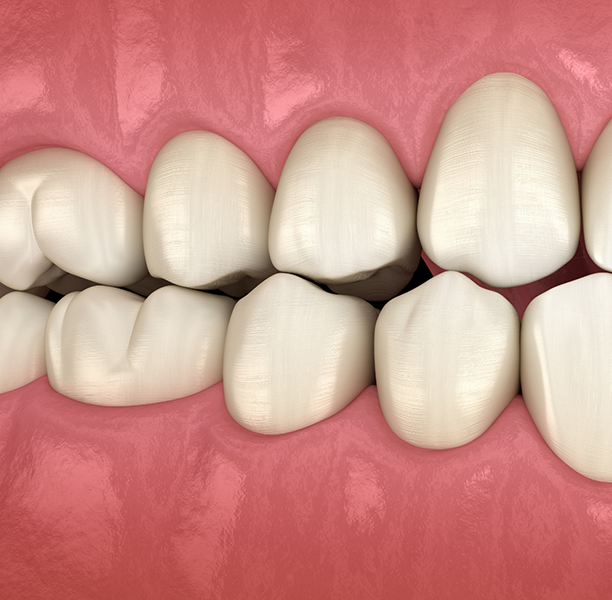
You may have noticed that the education you received in dental school was fairly basic, especially when it came to occlusion. We, on the other hand, place a large emphasis on occlusion because it plays such a big role in a restoration’s long-term viability. For example, not only do we ensure that restorations have even contact, but we also make sure that the positions of the opposing teeth are unlikely to shorten a restoration’s lifespan by placing extra stress on it.
What Type of Cases Should You Refer?
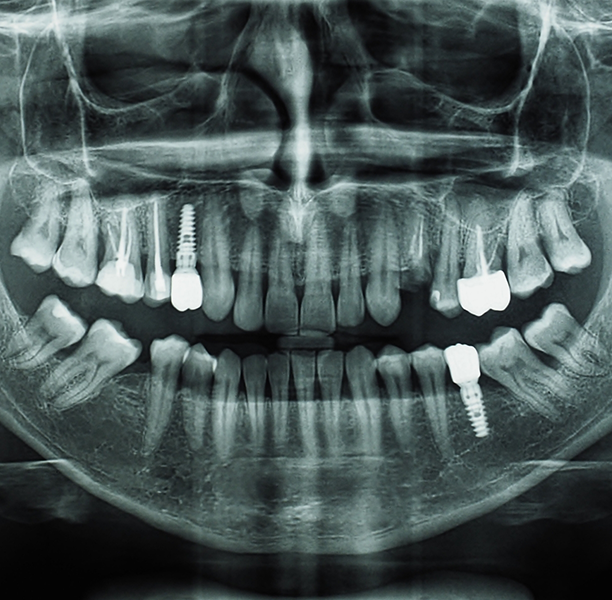
Much of our dental office is centered around restoring dental implants. If you are working on a restorative case that is particularly extensive or complex, we would be happy to consult with you. Dr. Lamberti will use his skills as a restorative and cosmetic dentist in Boca Raton to help your patient experience the life-changing benefits of high-quality replacement teeth.
Occlusion Dentistry: The Key to Successful Restorations
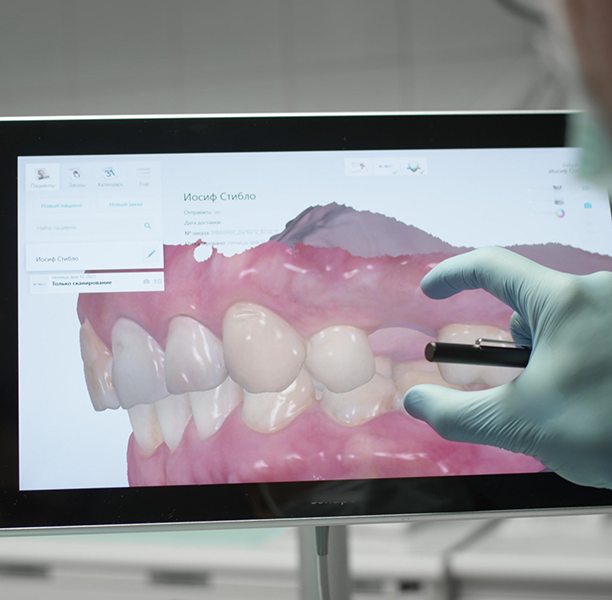
Dentistry is an exciting, ever-changing field. Experts have varying opinions on a wide range of topics, particularly occlusion. Occlusion refers to the way the teeth contact one another, both when the mouth is at rest (static occlusion) and when a person is chewing (dynamic occlusion).
What Is Occlusion Dentistry?
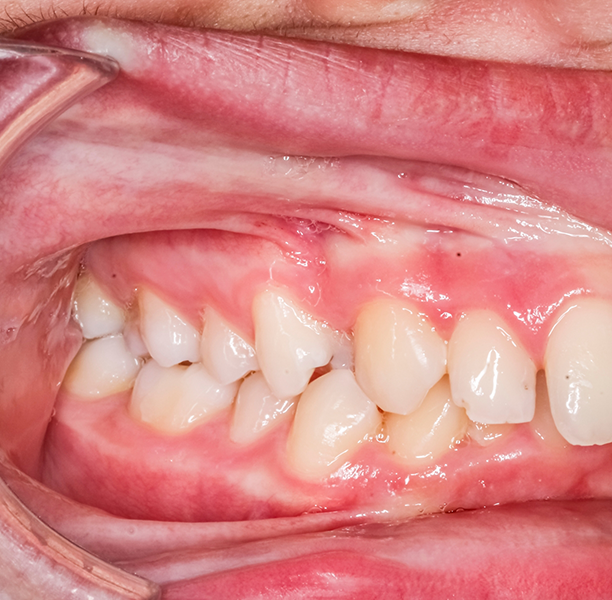
Occlusion dentistry is an approach to prosthodontics, reconstructive dentistry, that involves an in-depth understanding of the way the oral structures function together.
For example, if Dr. Lamberti is designing a crown for a dental implant, he does more than make sure the crown fits in well with the teeth that are adjacent to it. He also considers the position of the opposing tooth (or teeth). If the opposing tooth has shifted out of its anatomically correct position, an interference results, and bite forces are incorrect. This affects both the crown’s long-term viability and the patient’s biting function capability.
Essentially, he works backwards to create each patient’s treatment plan. Dr. Lamberti determines your ideal bite, then uses the principles of oral function to determine how best to help you achieve optimum occlusion via dental prosthetics.
Why Should Occlusion Dentistry Matter to Patients?

Have you ever received a crown or bridge from a dentist and thought at first that it was fantastic? However, it may not have lasted as long as you hoped. Or, you may have discovered that your jaw began to hurt. That could have been due to slight imperfections in your new tooth that caused you to favor chewing on one side of your mouth, resulting in unnecessary stress on both your prosthetic restoration and your facial muscles. Because Dr. Lamberti has such a comprehensive understanding of occlusal mechanics, he is able to prevent such issues. He also knows how to take accurate, viable impressions, which minimize mistakes and lead to less in-chair time for patients.
Why Should Occlusion Dentistry Matter to Dentists?
Sadly, many dental schools do not give occlusion the attention it deserves. In fact, they may gloss over the topic and simply urge students to “get it even.” That is, the goal may be just to make sure that prosthetics provide even bite contact and look decent. Dr. Lamberti goes beyond those basic standards, and he is happy to put his expertise to use to help his fellow dentists ensure that his patients have the best possible treatment experience from beginning to end. He gladly accepts referrals from other dental offices.