
Dental Implants Boca Raton
We Can Replace Your Missing Teeth
Over the past few decades, dental implants have become the premier way for dentists around the world to replace any number of missing teeth. We believe that dental implants are the most comprehensive missing tooth solution available today. With them, we've helped countless patients reclaim their smiles and confidence at the same time, providing a solution that is the next best thing to nature.
Dr. Alberto Lamberti is one of the absolute best in the field when it comes to restoring dental implants. To learn more about how dental implants in Boca Raton can let you enjoy a full and complete smile again, contact our office today!
Why Choose Alberto J. Lamberti DMD for Dental Implants?
- Expert with Dental Implant Training at Tufts University
- Decades of Experience Handling Complex Prosthodontic Cases
- Dedicated Dental Team That Prioritizes Patient Comfort
What Are Dental Implants?
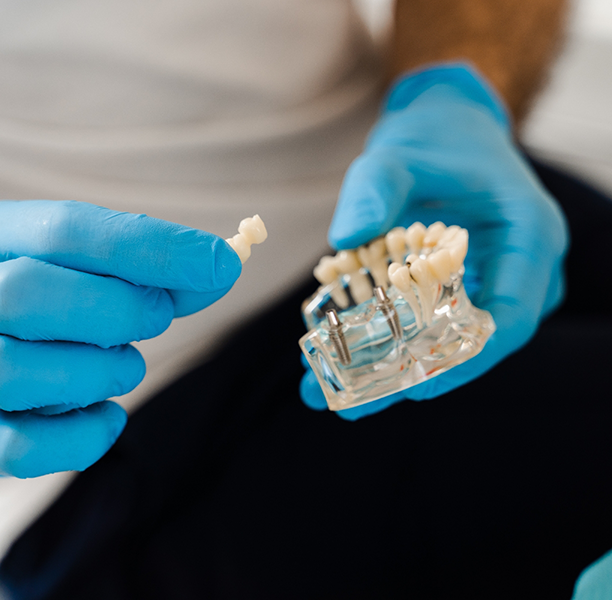
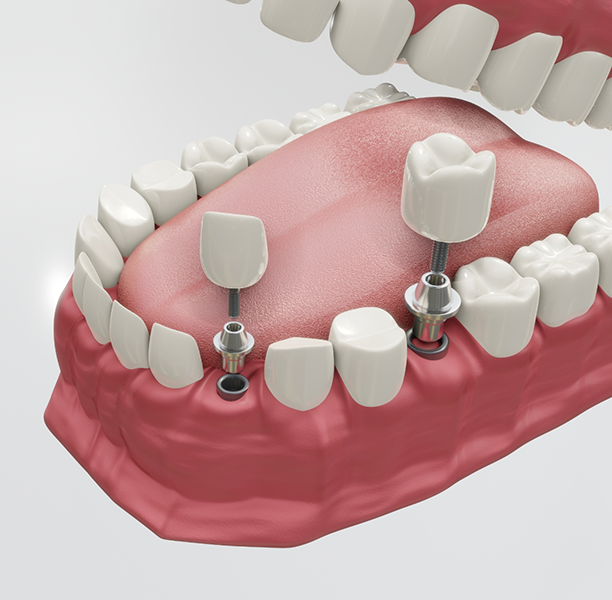
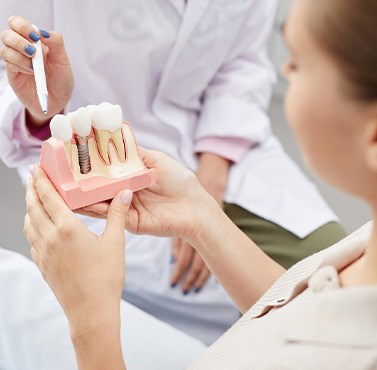
A dental implant is the only type of tooth replacement that fully rebuilds a tooth from the roots up. It consists of a titanium post that is inserted into the jaw, where it fuses with the underlying bone and soft tissues. After this process is finished, an attachment called an abutment is placed atop the implant. Lastly, a custom-made restoration is placed to complete your smile. Depending on how many teeth you’ve lost, this restoration may be a dental crown, bridge, or denture.
Compared to other tooth loss treatments, dental implants are more reliable and longer-lasting. Once they’ve integrated with your jawbone, they can last for decades to come. Plus, you can trust that your replacement teeth will look fully natural thanks to our dentist's experience with dental implants!
The 4-Step Dental Implant Process
The process for receiving dental implants can seem complicated at first. However, once we go over the process in more detail during your consultation, you’ll have the confidence to get started on your journey to a new and improved smile. Every patient’s treatment is different, but here are the four basic steps of the dental implant process:
Initial Dental Implant Consultation

During the consultation, you’ll get a chance to speak with Dr. Lamberti about what your goals are with dental implants. These include the number of teeth you intend to replace, the type of restorations you’ll need, and your eligibility to receive implants based on your current oral health status. For example, if you have insufficient bone tissue and unhealthy gums, then a bone graft or periodontal therapy will be required before proceeding.
Dental Implant Surgery
Once we’ve effectively planned your implant surgery, we’ll schedule you to have the titanium posts placed inside your jaw. You’ll receive local anesthesia and possibly sedation to ensure your comfort. The length of surgery can vary depending on the complexity of your case. In some cases, we can place an immediate tooth restoration at the time of the implant placement, or we may we have to wait at least three months to heal.
Dental Implant Osseointegration/ Abutment
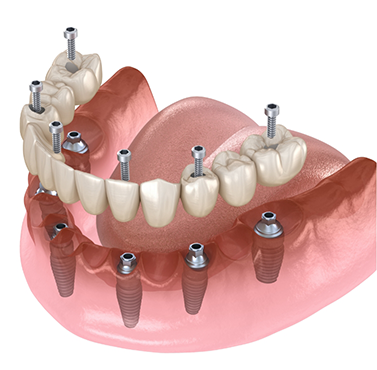
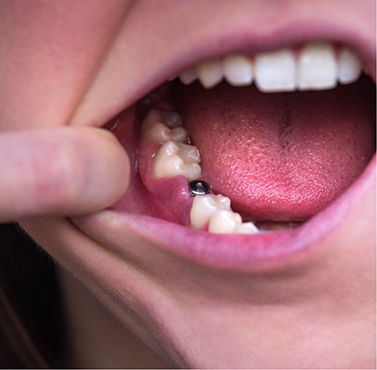
During the healing stage, which will take at least three months, the titanium post will undergo a process known as osseointegration. This process refers to bone tissue that heals around the biocompatible implant post. Once we’ve confirmed that the implant has fully healed, we’ll place an abutment on top. This is where your restoration, whether it’s a crown, bridge, or denture, will attach. Dr. Lamberti will take a digital impression of this abutment in order to create the restoration. Over the next couple of weeks, the gum tissue will heal around the implant.
Delivery of Dental Implant Restorations
As an experienced prosthodontic dentist, Dr. Lamberti is not only educated on creating the most natural-looking restorations. He’s also dedicated to ensuring that they provide the best function and comfort possible. After your implant has fully healed, he’ll place your custom-made crown, bridge, or denture and confirm that your bite is as even as possible. Ensuring an even bite is crucial to providing long-term oral health and preventing complications later.
Benefits of Dental Implants
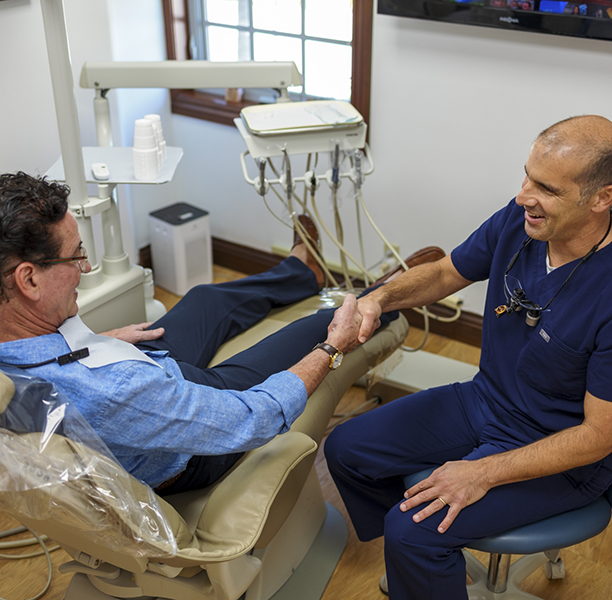
If you are missing one or more teeth, it is likely that we will recommend dental implants as the best way to rebuild your smile. We often make such a recommendation because of the many benefits that dental implants offer, including their lifestyle benefits, their health benefits, and their long-term benefits. If you would like to find out how they could help you personally, schedule a consultation with our team today.
Lifestyle Benefits

According to one survey, roughly one-third of denture wearers believe that dentures limit their ability to live life to the fullest. Can you relate to them? If so, dental implants may be the solution you have been wishing for. Some of the lifestyle benefits they offer include:
- The ability to eat most foods. Dental implants are so sturdy that they can allow you to dig into virtually any food without worrying that your prosthetic will become destabilized. Whether you are craving a juicy steak or a crunchy apple, dental implants can rise to the occasion.
- A confident smile. Dental implant restorations — the crowns, bridges, or dentures that go on top of dental implants — are virtually identical to natural teeth. As a highly trained implant dentist in Boca Raton, Dr. Lamberti carefully designs each restoration so it is an ideal complement for a patient’s oral anatomy and natural facial characteristics. Onlookers may never have any idea that you have dental implants.
- Speak easily. Ill-fitting dentures may slip around in the mouth during eating and speaking, but implant restorations are firmly secured in place. Whether you are giving a presentation at work or laughing with your friends and family, the chances that your new teeth will disappoint you are slim.
Health Benefits
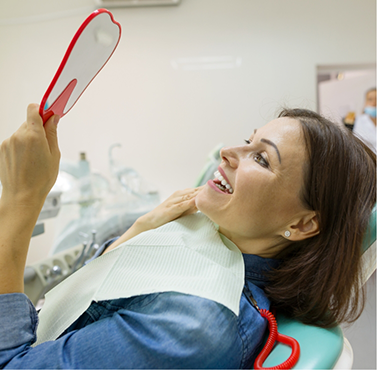
The benefits of dental implants in Boca Raton extend far beyond improving everyday quality of life. They offer some significant health advantages, including:
- Jawbone preservation. After you lose a tooth, the bone that once supported it begins to be resorbed. Over time, the bone loss can become so severe that it affects the shape of your face. Dental implants act as substitute tooth roots, so they stimulate the jawbone and help to keep it strong and whole. Other tooth replacement options do not provide bone health support.
- Protection for natural teeth. When a tooth goes missing, the adjacent teeth may begin to shift. Implants help to keep all your teeth in their proper places.
- Systemic health benefits. Tooth loss is associated with an increased risk of several diseases. As the next best thing to natural teeth, it isn’t far-fetched to think that dental implants may help to lower such risks.
Long-Term Benefits

Dental implants fuse with the surrounding tissue. This bond has the potential to last a lifetime if you care well for your implants. In fact, they have a 90 – 95% success rate even 10 years after placement. The restorations on top of dental implants may also serve you well for many years. The longevity of dental implants is one of the things that makes them such an outstanding financial value.
Who Dental Implants Can Help

How many teeth would you like to replace? One? A few? Or do you require a full denture? Dental implants are an excellent option for the vast majority of patients who are dealing with any degree of tooth loss. After we have had the opportunity to examine your mouth, we will recommend the type of dental implant treatment that is the best fit for your unique circumstances.
Who Is a Good Candidate for Dental Implants?

Most adults who have suffered tooth loss qualify for dental implants, either right away or after some preliminary treatments. Some traits that most candidates for the procedure have in common include:
- Fair overall health. You should be well enough to undergo minor surgery without a significant risk of postoperative complications. Some health conditions, such as unmanaged diabetes or a severely compromised immune system, may mean that dental implants are not right for you at this time.
- Good oral health. Some oral health conditions, including gum disease, greatly increase the risk of dental implant failure. Dr. Lamberti can work with you to improve your oral health to the point where you qualify for dental implants.
- Adequate jawbone density. Your jawbone should have adequate density and volume to integrate well with your dental implants. If you have suffered a degree of bone loss, you might need a bone graft before you can receive dental implants.
Missing one Tooth
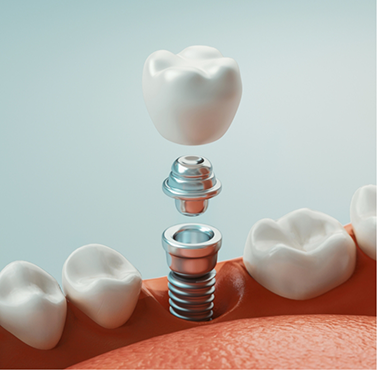
We can attach a beautiful, natural-looking all-porcelain crown to a dental implant root using a small connector for strength. An implant-supported crown is superior to a traditional bridge because it does not rely on nearby teeth for support and feels as natural as possible in the mouth.
We use a variety of different size and diameter implants depending on the anatomical configurations of the jaw. This makes implants a viable option for a wider array of patients.
Missing Multiple Teeth
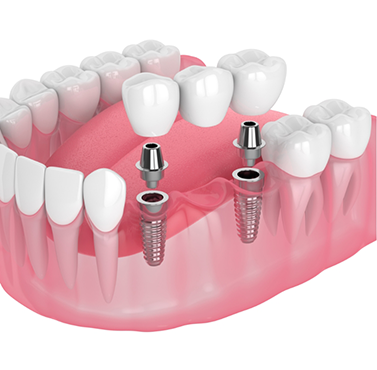
For patients with consecutive missing teeth, implant crowns can be attached to additional implants and support pontics between them, thus forming a strong and reliable bridge. This is a much more cost-effective way to replace multiple teeth than using one implant per tooth, and implant bridges are guaranteed to look better and last much longer than traditional ones.
If your missing teeth are not consecutive, you might need multiple single-tooth implants. Or, you might qualify for a partial implant bridge, which will fit in around your remaining natural teeth to fill in multiple gaps throughout a dental arch.
Missing All Teeth
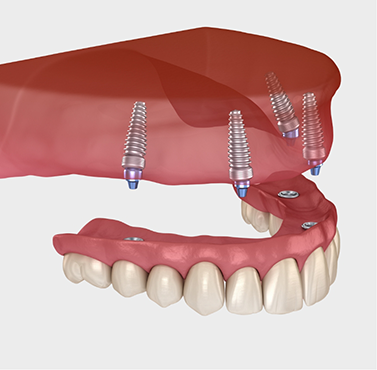
If you have lost all or most of your natural teeth, or you will soon need to undergo multiple extractions, Dr. Lamberti might recommend that you receive implants with a fixed restoration. The number of dental implants that we recommend at our Boca Raton dental office that are necessary to support a denture varies from case to case. Some patients might need just two or three, while others require six or more. Logically, more dental implants lend greater stability and reliability to the teeth on top of them.
Dr. Lamberti offers multiple types of implant restoration, including traditional implant dentures and All-on-4. Thanks to his decades of experience handling complex prosthodontic/full mouth cases, he’s one of the very best when it comes to these types of cases!
Learn More About Implant Dentures Learn More About All-on-4
Understanding the Cost of Dental Implants

While dental implant restorations do tend to be more expensive than traditional bridges or dentures upfront, they are usually the most cost-effective option overall in the long term, and not just because of their superior appearance and function. Dental implants can easily last for several years. This helps patients save thousands of dollars and hours spent in the dental chair compared to other options. Read on as we go over some important information about the cost of dental implants in Boca Raton that you need to know.
Preliminary Treatments & Dental Implant Surgery

Unlike tooth replacement options like dentures or dental bridges, getting dental implants is a multi-stage process. Each step in the process comes with its own cost. Therefore, instead of having to pay for your dental implants all at once, you’ll only have to pay for each stage of treatment as you undergo it. You’ll have time between your appointments to make any necessary adjustments to your budget.
The two steps that will factor in the most when it comes to the cost of your dental implant will be any necessary preliminary treatments and the implant surgery itself. If you need to complete preliminary treatments like gum disease therapy or bone grafting before moving forward with dental implants, the cost of these treatments will add to the final price of your dental implants. Then, placing the dental implants themselves will incur a cost of its own, which will fluctuate depending on how many implants are being placed and where in the mouth they’ll be placed.
When you attend your dental implant consultation, you’ll receive a customized treatment plan and a cost estimate that is based on your unique circumstances.
How Dental Implants Pay for Themselves

The vast majority of people who receive dental implants have no regrets about their decision due to the many benefits that this treatment offers. However, aside from their unmatched benefits, dental implants are also a smart investment that can pay for themselves over time. Dental implants are the only tooth replacement option to stop jawbone deterioration, which prevents further tooth loss. Plus, as a completely self-supporting tooth replacement, you can expect to pay far less in oral healthcare costs and at-home oral hygiene products. Most importantly, however, dental implants can potentially save you thousands of dollars in replacements over the years. While dentures and dental bridges need to be replaced or repaired every 5-7 years, dental implants can easily last you several years to a lifetime with the right care!
Does My Dental Insurance Cover Dental Implants?

Some dental insurance policies cover dental implants, but most do not. You’ll need to check the specifics of your plan to find out how it applies to dental implants. If your plan does not cover the implants themselves, it might cover other portions of the treatment, such as preparatory work or the final restoration. Also, our team is happy to help patients explore affordable financing options that can pick up where dental insurance leaves off. We accept CareCredit.
Advanced Dental Implant Procedures
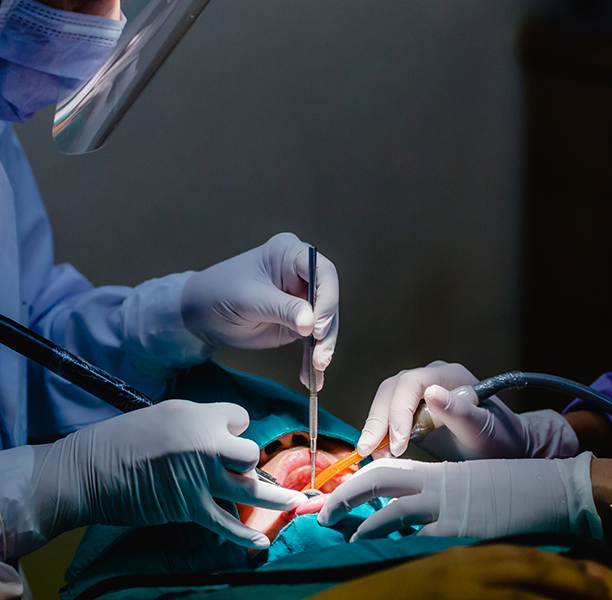
Sometimes you might not be able to get dental implants right away. Losing teeth causes your jawbone to deteriorate. Without the required bone density, dental implants can’t be successfully placed. But that doesn’t mean patients who have suffered from bone loss can’t get implants! Thanks to advanced procedures like bone grafts and sinus lifts, a weakened jawbone can be made strong enough to support any number of new teeth.
Bone Grafts
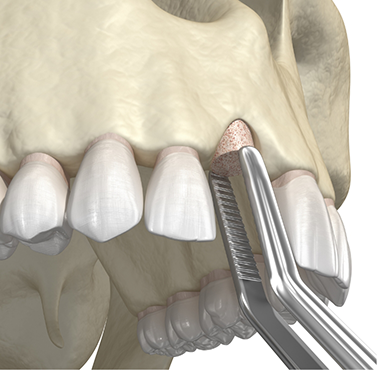
The pressure and stimulation of chewing that your natural teeth provide is what keeps your jawbone strong. Once your teeth are gone, the now-unused portion of the bone starts to resorb; this basically means it breaks down because it’s not needed anymore. One of the benefits of dental implants is that they can stop this bone loss from happening, but this only happens if they successfully integrate with the jaw, which can’t happen if the bone has already deteriorated too much.
To add enough density to the jaw and help ensure a successful implant surgery, your implant dentist may recommend that you undergo a bone grafting procedure. Bone grafts can help repair or reconstruct a damaged jawbone and encourage it to start re-growing. The ultimate result after your mouth heals will be enough bone height for dental implants to be placed.
Sinus Lifts
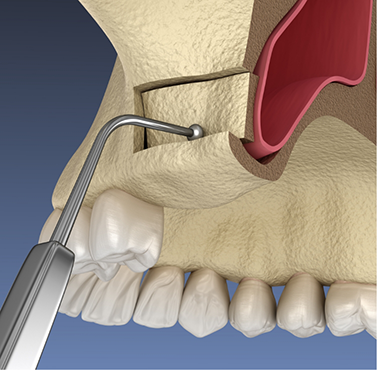
If you’re receiving dental implants for your upper arch, you may have some unique complications to deal with. In addition to bone loss, the sinuses may be too close to the oral cavity, meaning there’s not enough room for the implant posts. This is often a result of your unique anatomy; some people have larger or differently shaped sinuses than others. Also, your sinus tends to get larger as you age.
A sinus lift can add bone density and height, much like a bone graft, while also moving the sinuses so that the implants can be placed safely. During the procedure, an incision is made in the gums near the back of the mouth, and a small window is made in the bone to provide access to the membrane that separates the sinus from the jaw. The membrane is gently pushed up, and bone graft material is packed into the empty space; usually, several millimeters of bone are added.
Dental Implant Failure & Salvage
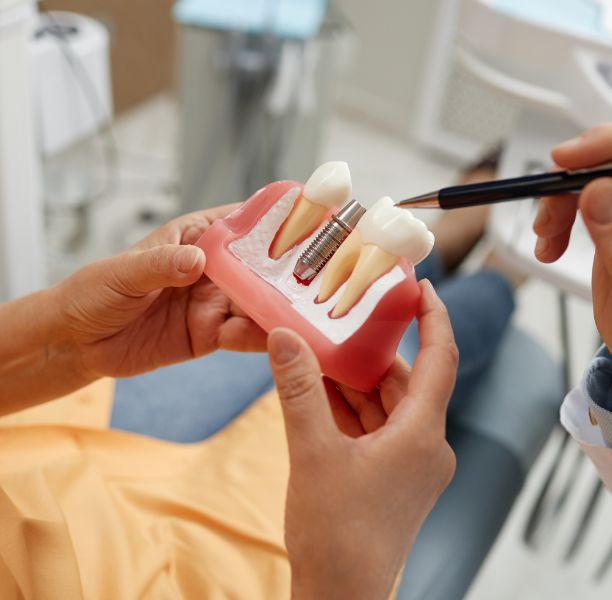
Thanks to modern dental technology, dental implants boast an astonishing success rate of well over 95% even 10 years after placement. However, dental implant failure is still a remote possibility, especially if you don’t take the proper precautions. Should your dental implant ever begin to feel painful, loose, or exhibit any other signs of failure, you may be in need of a salvage treatment. Call us right away so we can help you take the next best steps for your smile!
Learn More About Dental Implant Failure and Salvage
Dental Implants Post-Op Instructions
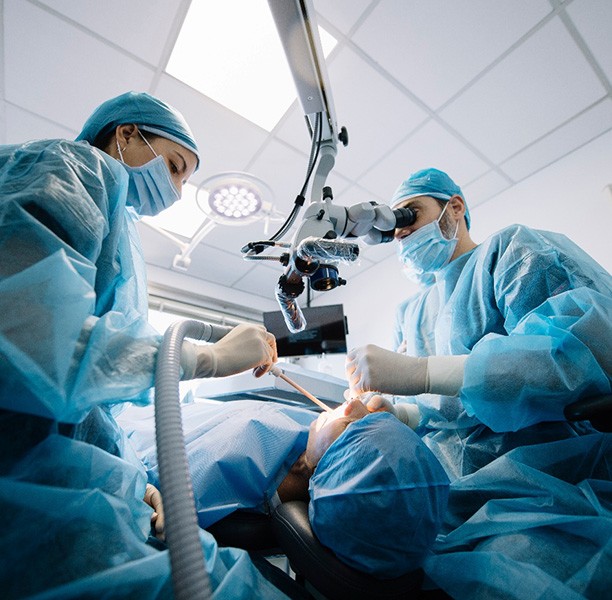
Once you’ve undergone implant surgery, you’ll take a slight “break” from treatment. Your mouth needs four to six months to heal from the placement process. You should be fine during this period, though; we’ll spend the time helping you make a full recovery! We at Alberto J. Lamberti DMD have top-tier dental implant post-op instructions for you to follow. To learn about them in detail, just keep reading or call us to hear more over the phone.
What to Do Directly After Dental Implant Surgery
Right after surgery, you should leave the forming blood clot alone; you’ll delay your recovery otherwise. That means you must stick to the following guidelines:
- For at least a few days, keep your fingers and tongue away from your new implant.
- Don’t use tobacco during the first twenty-four (24) hours after surgery.
- To keep suction from dislodging your blood clot, avoid the use of drinking straws.
Common Side Effects When Recovering from Dental Implant Placement

Patients may experience side effects while recovering from implant placement. In particular, the most common of these include:
- Oral Discomfort – The treatment site could ache a bit once your surgery’s anesthesia wears off. If so, manage your soreness with store-bought pain relievers.
- Facial or Gum Swelling – In the first few days after surgery, it’s normal to experience swelling in your face and gums. Apply a cold compress (or an ice pack) to the affected area in that case.
- Intermittent Bleeding – Please apply gauze and gentle pressure to the implant site if it suffers bleeding.
Rest assured that these effects are temporary; they stop within a few days. However, contact us if they persist longer.
Your Diet After Dental Implant Surgery

For the first few days after surgery, stick to soft foods. Hard ones could dislodge your blood clot, delaying your recovery (and harming your smile) as a result.
Some examples of “soft foods” to consider are:
- Yogurt
- Scrambled Eggs
- Mashed Potatoes
- (Non-hot) Soup
- Smoothies
- Soft Cheese
- Pasta
- Pudding
- Sweet Potatoes
- Ice Cream
Once you feel up to it, you can resume a “normal” diet. Just remember that you should still limit your intake of crunchy and tough foods. Similarly, please avoid chewing directly on the implant site.
Post-Op Health & Oral Hygiene

Even as you recover from surgery, you’ll need to keep your mouth clean and healthy. You should thus adopt the following post-op oral hygiene rules:
- Be careful of the surgical site when brushing your teeth twice daily.
- Rinse your mouth with salt water twice or thrice daily. Alternatively, you could substitute a prescription mouthwash for the salt water.
- Avoid mouthwashes with a high level of alcohol (i.e., Scope, Listerine, etc.).
What to Do After Your New Teeth Are Attached
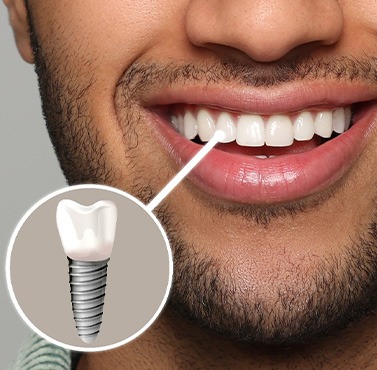
The hardest part of treatment ends when your dentist attaches a crown, bridge, or denture to your implant. From that point onward, you shouldn’t experience anything “worse” than minor gum sensitivity. That means you won’t deal with harsh swelling, bleeding, or similar symptoms for the remainder of your recovery. Instead, you can just enjoy your restored smile!
Maintaining & Caring for Your Dental Implants

When it comes to replacing missing teeth, dental implants stand out as the top choice – and there's solid reasoning behind this. Dental implants have the remarkable potential to maintain the strength and health of your smile for a lifetime. However, this outcome depends on your diligent care and maintenance. By protecting your new grin against damage and infection, you significantly reduce the risk of implant failure. Below, we've outlined some straightforward precautions and healthy habits to ensure you can cherish your revitalized smile for years to come.
Make Oral Hygiene a Priority
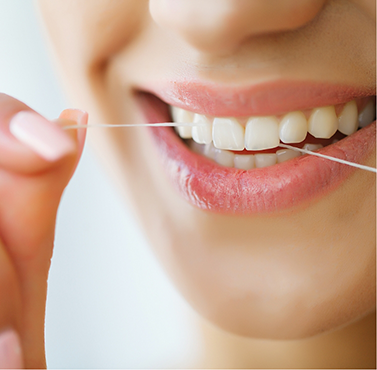
Although dental implants are not susceptible to cavities, it's important to maintain proper oral hygiene to ensure overall dental health. Neglecting your teeth and gums can result in problems such as cavities or gum disease, which may ultimately lead to dental implant failure. Consistently brushing your teeth after every meal, flossing every day, and using an ADA-approved mouthwash for daily rinsing are solid practices to uphold. These habits will help preserve your smile's health and vitality.
Eat a Healthy Diet

After the healing process, your dietary options with your new smile are nearly limitless! Nevertheless, it's advisable to steer clear of excessive consumption of hard, sticky, or sugary foods, as they can potentially damage your implants. Opting for a balanced diet rich in nutrients is recommended. Foods abundant in calcium and vitamin C are especially beneficial, as they contribute to the strength of your jawbone and promote the health of your gum tissues.
Break Bad Habits

Harmful habits such as smoking, chewing tobacco, using your teeth for tasks they weren't meant for, and biting your fingernails can potentially harm your implants. It's strongly recommended to kick these habits to the curb promptly to safeguard your smile's longevity. If you find it challenging to quit smoking, don't hesitate to seek assistance from our team. We’re equipped to offer you the necessary support, guidance, and resources to make the process as smooth as possible!
Protect Your Dental Implants
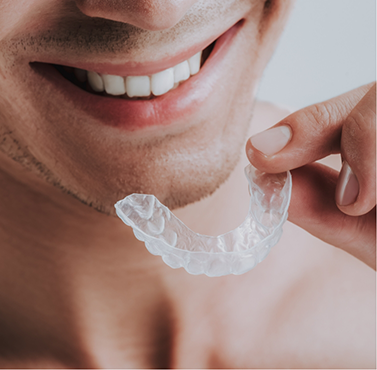
While dental implants are strong, they are not damage-free. If you engage in sports activities regularly, it's essential to wear a sports mouthguard to shield your teeth against potential injuries from facial impacts. Similarly, if you have a habit of grinding your teeth at night, consider asking for a nightguard to protect from excessive wear and tear. Incorporating these oral appliances into your routine will contribute to prolonging the lifespan of your implants.
Schedule Regular Dental Checkups
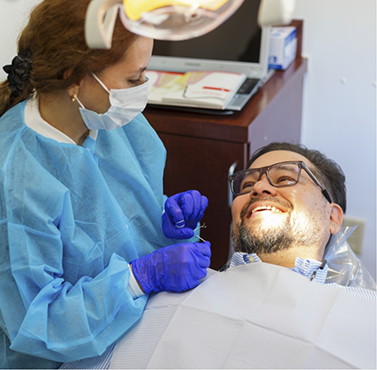
Regular checkups and cleanings are necessary for maintaining optimal oral health. These routine appointments play a vital role in preserving a healthy smile. We’ll carefully examine your mouth to detect and address any emerging oral health concerns, thus mitigating the risk of more severe complications in the future. By staying proactive with these appointments, you can steer clear of the need for more invasive and costly treatments down the road.
Dental Implant Technology

At Dr. Lamberti’s office, we use a range of advanced technologies that can make your dental implant process more efficient and comfortable and set you up for more beautiful and longer-lasting results. We’ll be happy to explain how we use these methods to plan dental implant placement and produce beautiful restorations when we see you during your consultation, but here’s a quick look at a few of the modern amenities available to patients at our office. Please feel free to contact our friendly staff if you’d like to know more about how these methods can help you achieve the complete and beautiful smile of your dreams.
AI Virtual Smile Design

The staff at Dr. Lamberti’s office is proud to use Smilecloud, an advanced AI system that can produce a model of a facially aligned smile design based on a single photo of the patient. This model will allow for three-dimensional rotations and include an AI-assisted video simulation, and it can be generated in minutes at our office. These images are clear, engaging, and personalized, and they allow our patients to see the expected results of their implant treatment before they commit to the process.
CBCT/Cone Beam CT Scanner

Traditional X-rays only take two-dimensional images of a patient’s interior anatomy, which can make it difficult to understand the best way to place a dental implant. That’s why the skilled team at our Boca Raton dental practice uses cone-beam imaging to produce three-dimensional images that clearly depict the inside of your oral structures, which allows us to plan your dental implant placement process with remarkable precision for maximum results. We proudly use the Orthophos S CBCT Sirona imaging unit, which is one of the finest Cone Beam CT Scanners available to dentists.
Digital Impression System

Many dentists use traditional putty-based impression systems to understand the proper shapes and angles of their patients’ teeth, but this method can be awkward and may leave an unpleasant taste in a person’s mouth. That’s why we use the CEREC Primescan Sirona system to comfortably produce high-quality three-dimensional digital maps of our patient’s oral structures with incredible precision. This allows us to craft the most lifelike restorations possible so your artificial teeth will be able to blend in seamlessly with the rest of your smile, and it can be done without biting into an uncomfortable dental tray filled with unpleasant-tasting putty.
Dental Implant FAQs
Will People Be Able to Tell That I Have Dental Implants?
Dental implants provide remarkable aesthetics. The implants themselves will be completely concealed by the tissue around them and the restorations on top of them. The restorations (crowns, bridges, and dentures) are made of high-quality dental materials that mimic the look and feel of natural teeth. As an experienced implant dentist, Dr. Lamberti is especially qualified to create restorations that complement your smile’s natural appearance and provide you with a comfortable bite. No one will have to know that you have dental implants unless you feel compelled to brag about your new smile!
What If Something Goes Wrong with My Dental Implants?
Problems with dental implants are rare, but they do occasionally happen. If one of your restorations ever breaks or feels loose, schedule an appointment with Dr. Lamberti right away. He may be able to repair the artificial teeth or replace them so your smile can get back to looking and feeling its best.
Can My Dentures Be Attached to Dental Implants?
In some cases, traditional dentures can be retrofitted to work with dental implants. If you would like to continue using your current dentures but want the stability and superior function of dental implants, consult with Dr. Lamberti. If your dentures are in excellent condition and fit you well, he might be able to convert them for use with dental implants. If that isn’t possible, he’ll outline a treatment plan that will equip you with dental implants and new dentures to go along with them.
How Long Will My Dental Implant Restorations Last?
Dental implants themselves often last for several decades. However, dental implant restorations may have a shorter lifespan because they’re exposed to the everyday rigors of eating, drinking, and speaking. Visit our team for regular checkups so we can assess the viability of your restorations and recommend replacements when necessary. As long as you care well for your replacement teeth, it’s possible that they’ll last for 10 – 15 years or longer.
Is There a Learning Curve with Dental Implants?
After Dr. Lamberti places your restorations, your mouth might feel strange for a while, especially if it has been a significant length of time since you lost your natural teeth. However, it won’t be long before your body adapts to your new teeth and you’re able to eat and speak with complete confidence in your renewed smile.
Does it Hurt to Get Dental Implants?
Many patients wanting to rebuild their smiles with dental implants hesitate to schedule a consultation because they worry the procedure might hurt. Although there is potential for discomfort, Dr. Lamberti and the rest of our team understand that you might be feeling nervous, and we will do everything we can to help you remain calm and comfortable.
For instance, we will numb the area with a local anesthetic before starting your surgery to help prevent potential pain. We also offer oral conscious sedation, which induces a deep sense of relaxation. It reduces your body’s capacity to respond to external stimuli, which can help you through your procedure.
How Successful Is the Dental Implant Procedure?
This treatment has an incredibly high success rate of over 90%. That means that most patients won’t develop associated complications, as long as they follow the post-operative instructions provided.
Generally, you can help avoid potential problems by brushing and flossing twice daily, steering clear of overly hard, crunchy, and sticky foods, and scheduling routine checkups and cleanings with our team every 6 months.
What Can Cause Dental Implant Failure?
Although these replacement teeth are known for their strength and longevity, they’re not completely invincible. Different factors can potentially contribute to their failure, including:
- Peri-implantitis. This is an infection that can form at the surgical site and erode the materials anchoring your new tooth, and is listed as the leading cause of failure.
- Failed osseointegration. If your jaw is too thin to begin with or your mouth doesn’t produce enough new bone, the post that’s placed in your jaw can become destabilized or dislodged.
- Teeth grinding. The added pressure of constantly clenching down can push your new tooth out of place.
- Tobacco products contain nicotine, which suppresses your immune system and increases the risk of infections, such as peri-implantitis.
- Other medical conditions. Patients with diabetes, osteoporosis, autoimmune conditions, or who take certain prescription medications may be more likely to develop complications from their procedure.
How Long Does It Take to Recover from Oral Surgery?
Many people can resume their usual activities the day after their surgery, but it can depend on your unique circumstances. For instance, if your job involves a lot of physical labor, our team might recommend taking a few days off to avoid elevating your heart rate, which can slow down the healing process.
Bleeding or oozing should stop after a couple of days, and swelling usually begins to go down a few days after that. It can take 3 to 6 months to fully mend, because that’s how long it usually takes the jaw to produce enough new bone to merge with the post of your implant.