
Nightguards for Bruxism Boca Raton
A Simple Way to Prevent Teeth Grinding

Do you often wake up with a sore jaw, or has your significant other mentioned that they hear grinding or clenching noises coming from your mouth at night? It is possible that you are suffering from bruxism, which is otherwise simply called teeth grinding. Left unaddressed, this problem can lead to serious consequences for your oral health. On this page, we discuss why bruxism is so dangerous, what might cause it, and how we can help you find relief with nightguards for bruxism in Boca Raton, FL.
Why Choose Alberto J. Lamberti DMD for Nightguards for Bruxism?
- Expert Restorative Dentist with Decades of Experience
- Flexible Payment Options & Financing Available
- Advanced Technology Ensures Comfortable, Effective Solutions
Dangers of Bruxism

Teeth are extremely durable, and their enamel is the hardest substance in the human body. However, they can suffer serious damage when they continually grind against one another. The enamel may get worn away, and the teeth may even break altogether. Even if the teeth do not break, other complications, such as gum recession and extreme dental sensitivity, may occur.
The consequences of bruxism are not strictly constrained to the mouth. You could also experience headaches and pain in the muscles of your face and neck. TMD (temporomandibular joint disorder) may also occur.
Causes of Bruxism
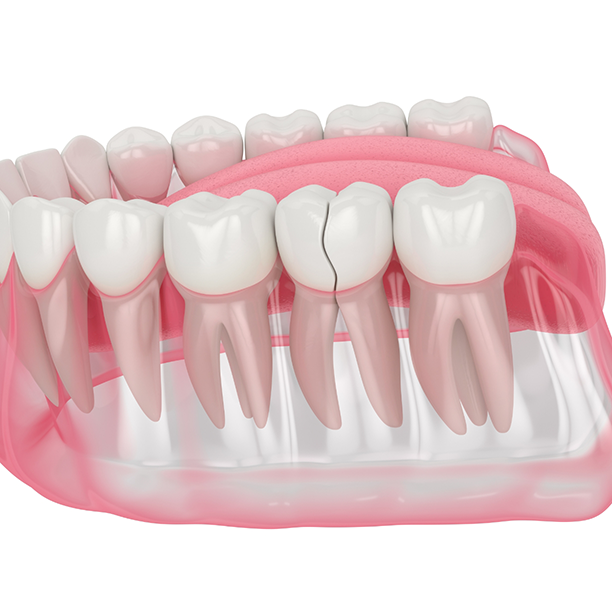
Bruxism can have a number of different causes, including:
- Stress and anxiety. These can lead to muscle tension and involuntary teeth grinding.
- Obstructive sleep apnea (OSA). OSA can affect people of any age group, but it is especially common among older men and postmenopausal women.
- Other medical conditions. Dementia, Alzheimer’s, and Parkinson’s disease have all been associated with bruxism.
- Injuries to the jaw. Even trauma that happened many years ago may have lingering effects on jaw function.
- Certain medications. Some popular antidepressants, such as Zoloft and Prozac, have been linked to bruxism.
How We Can Treat Teeth Grinding
If you suffer from teeth grinding at night, you cannot simply train yourself to stop. You will need professional help. When you visit us, we will be quick to recognize signs and symptoms of bruxism. We will talk to you about how you are feeling and conduct a thorough examination of your teeth and jaw. We will also try to pinpoint why you are experiencing bruxism before we make a treatment recommendation.
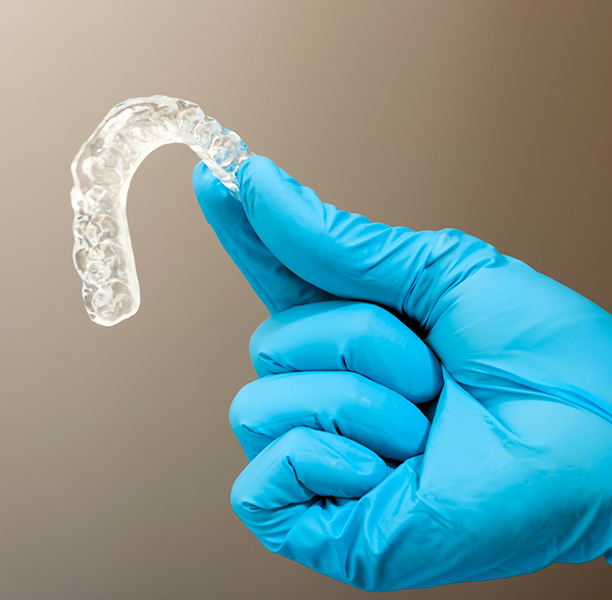
Oftentimes, a nightguard is the best way to end bruxism and stop it from causing further damage. A nightguard is simply a small, custom-made oral appliance that places a barrier between the teeth, thus preventing them from harming one another while you sleep. It can also help your stressed facial muscles relax and may even reduce the number of headaches that you experience.
But what if your teeth have already experienced some damage due to bruxism? We can design a treatment plan to help you regain full dental function while improving aesthetics at the same time.
Are you concerned about bruxism, or would you like to learn more about how our team can help you find relief? Contact our dental office today to schedule your appointment.