
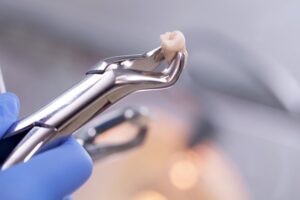
The idea of having a tooth extracted can make many patients nervous. After all, dentists generally do everything possible to save natural teeth whenever they can. However, there are situations where removing a tooth is actually the healthiest option. When a tooth is severely damaged, infected, or causing problems for surrounding teeth, extraction can provide significant benefits for your oral health and overall well-being.
Here are 4 important benefits of tooth extraction.
1. Eliminates Pain and Discomfort
One of the most immediate benefits of tooth extraction is relief from pain. Severely decayed, cracked, or infected teeth can cause persistent discomfort that affects your ability to eat, speak, and concentrate throughout the day.
In some cases, wisdom teeth can also become impacted, placing pressure on nearby teeth and causing pain in the jaw. By removing the source of the problem, your dentist can help eliminate discomfort and allow the affected area to heal.
While mild soreness is normal after an extraction, many patients find that the temporary recovery period is well worth the long-term relief they experience.
2. Prevents the Spread of Infection
A tooth infection doesn’t always stay confined to a single tooth. If left untreated, bacteria can spread to neighboring teeth, gums, and even other parts of the body.
When a tooth is too damaged to be saved with treatments such as a filling, crown, or root canal, extraction may be the best way to stop the infection from progressing. Removing the infected tooth can protect surrounding tissues and reduce the risk of more serious health complications.
Addressing the problem early can often prevent the need for more extensive and costly dental treatment later.
3. Improves Orthodontic Results
In some orthodontic cases, tooth extraction can create the space needed to properly align crowded teeth. When the mouth lacks sufficient room, teeth may overlap, rotate, or shift out of position.
By strategically removing one or more teeth, orthodontists can create the space necessary for braces or clear aligners to move teeth into their ideal positions. This can improve both the appearance of the smile and the overall function of the bite.
Not every orthodontic patient requires extractions, but when recommended, they can play an important role in achieving successful treatment outcomes.
4. Protects Overall Oral Health
A severely damaged tooth can negatively affect neighboring teeth and gum tissue. For example, an infected tooth may contribute to bone loss or place nearby teeth at risk of decay and damage.
Removing a problematic tooth can help preserve the health of the surrounding structures and create a stronger foundation for future dental treatment. Many patients choose to replace extracted teeth with options such as dental implants, bridges, or dentures to restore function and appearance.
Although preserving natural teeth is always the goal, there are situations where extraction provides the greatest benefit. By relieving pain, preventing infection, supporting orthodontic treatment, and protecting overall oral health, tooth extraction can be an important step toward a healthier smile.
About the Author
Dr. Alberto J. Lamberti earned his Doctor of Dental Medicine degree from the Tufts University School of Dental Medicine, where he also completed a Fellowship in Implant Dentistry in 2011. Today, he has practiced extensively in prosthodontics for more than 20 years. If you have a troublesome tooth that needs extracting, Dr. Lamberti and his team can serve you compassionately with expert treatment. Book online or call our Boca Raton office at (561) 338-7535.