
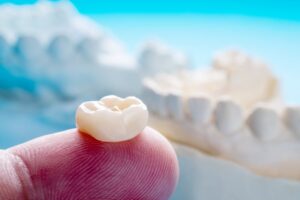
If your dentist has recommended a dental crown, it’s normal to wonder whether the procedure will be painful. The idea of having a tooth reshaped or restored can sound intimidating, especially if you’ve had discomfort in the past. The good news is that modern dental techniques make getting a crown far more comfortable than many people expect.
What is a Dental Crown?
A dental crown is a custom-made cap that covers a damaged, weakened, or heavily restored tooth. Crowns are used to protect teeth after large fillings or root canals, restore cracked or broken teeth, and improve the appearance of misshapen or discolored teeth. Because crowns fully encase the tooth, they provide strength and long-term stability.
Does the Crown Procedure Hurt?
The short answer is no, getting a dental crown should not hurt. Before any work begins, your dentist will numb the area around the tooth with a local anesthetic. This ensures you remain comfortable throughout the procedure. You may feel pressure or vibration during tooth preparation, but you shouldn’t feel pain.
For patients with dental anxiety or sensitivity, additional comfort options such as numbing gels, oral sedation, or nitrous oxide may be available. Letting your dentist know about any fears can help them tailor the experience to your needs.
What About Tooth Preparation?
To prepare your tooth for a crown, your dentist removes a small amount of enamel to make room for the crown. While this sounds unpleasant, the anesthetic prevents discomfort. If the tooth is already sensitive or infected, addressing the underlying issue often brings relief rather than additional pain.
After preparation, impressions or digital scans are taken to create your crown. A temporary crown may be placed to protect the tooth until the final crown is ready.
Is There Pain After the Appointment?
Mild soreness or sensitivity is normal after getting a crown, especially once the numbness wears off. Your gums may feel tender, and the tooth may be sensitive to hot or cold for a few days. Over-the-counter pain relievers and avoiding extremely hot or cold foods can help during this adjustment period. If pain is severe or lasts longer than a week, contact your dentist, as this could indicate a bite issue or other concern.
Getting a dental crown is typically a comfortable and routine procedure. With proper numbing and modern techniques, pain is minimal both during and after treatment. If you have concerns, talking openly with your dentist can help ensure a smooth, stress-free experience and a strong, healthy smile.
About the Author
Dr. Alberto J. Lamberti earned his dental doctorate from the Tufts University School of Dental Medicine in 2015. He then served for almost 10 years as an assistant professor at Tufts, as well as working at Tufts Dental Associates Faculty Practice where he dedicated himself to complex cases. Dr. Lamberti has also practiced extensively in the field of Prosthodontics since completing his degree. If you need to restore a damaged tooth with a crown, we can help! Schedule your appointment online or call (561) 338-7535.